Mary Poppins (2026) arrives as a breathtaking revival of the beloved classic, bringing the world’s most iconic nanny back to enchant a new generation.
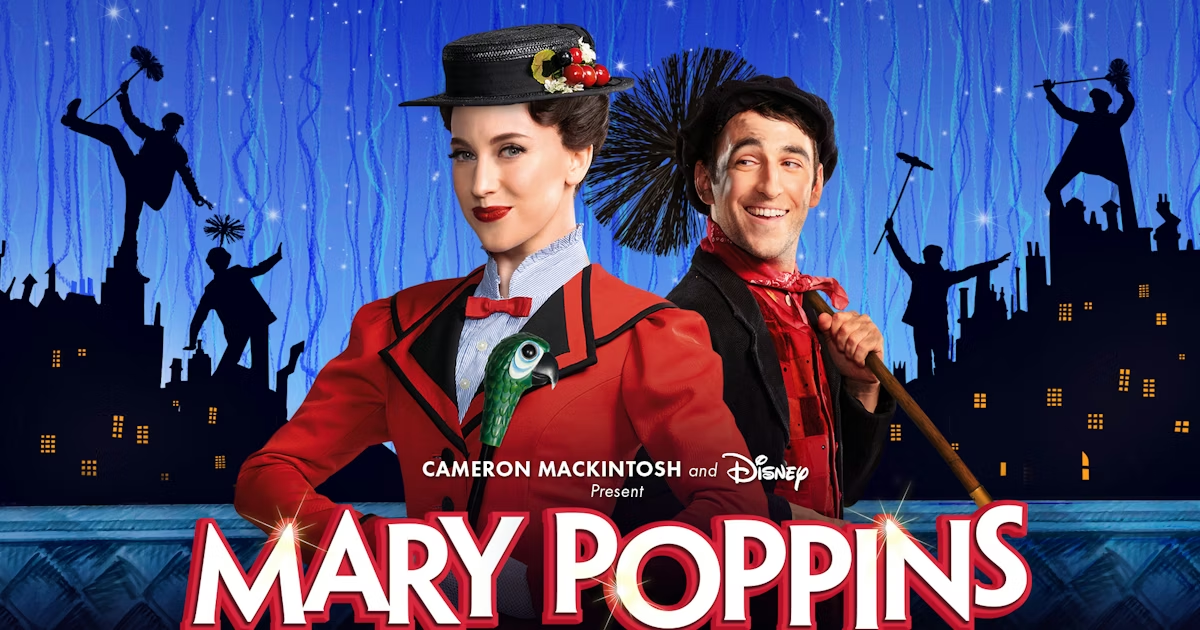
With its irresistible blend of wonder, whimsy, and nostalgia, the film reintroduces audiences to a London filled with imagination waiting to be unlocked. From the opening moment, Mary Poppins (2026) shines with a charm that feels both timeless and refreshingly new.
Julie Andrews floats onto the screen once again, proving that her portrayal of Mary remains unmatched in grace, warmth, and quiet magic. Her presence instantly rekindles the spirit of the original, turning each scene into a celebration of childhood wonder. By grounding its story in classic Disney heart, Mary Poppins (2026) invites viewers to believe in the impossible once more.
Dick Van Dyke brings his joyful charisma back to the role of Bert, filling the film with humor, song, and heartfelt connection. David Tomlinson’s return adds depth and emotional resonance as George Banks confronts the values he once overlooked. Together, this legendary cast strengthens the emotional pull of Mary Poppins (2026) as it steps into a new cinematic era.
Where Music, Magic, and Imagination Shape the Heart of the Story
In Mary Poppins (2026), turn-of-the-century London becomes a playground of endless possibilities as Mary descends from the clouds with perfect poise and a twinkle in her eye. Her mission feels familiar yet revitalized: guide the Banks family toward happiness, unity, and imagination. With each interaction, Mary Poppins (2026) reveals how small acts of kindness can transform even the most ordinary day.
Mary’s magical influence begins subtly, turning simple chores into musical adventures filled with color and excitement. Her ability to see wonder where others see routine breathes new life into the Banks household. Mary Poppins (2026) uses this joyful storytelling to remind audiences that imagination is a gift we never truly outgrow.

Bert returns as Mary’s loyal friend, providing warmth, comedy, and a spark of mischief that elevates every scene they share. His chimney-sweep charm and wide-eyed optimism perfectly complement Mary’s elegance and wit. Through their musical numbers, Mary Poppins (2026) revives the playful heart that made the original story unforgettable.
George Banks undergoes a powerful emotional journey as he confronts the pressures of work, ambition, and responsibility. His struggle between financial success and meaningful connection shapes the emotional core of the film. In Mary Poppins (2026), his transformation becomes a touching reminder that love and laughter matter far more than money.
The film’s magical set pieces feel both nostalgic and newly invigorated. Dancing chimney sweeps leap across rooftops, swirling paint becomes a portal into fantastical worlds, and everyday moments transform into spectacles of joy. Mary Poppins (2026) uses these whimsical sequences to capture the essence of childhood dreams.
Musical highlights like “A Spoonful of Sugar,” “Chim Chim Cher-ee,” and “Supercalifragilisticexpialidocious” return with soaring orchestration and dazzling choreography. Each song honors the classic melodies while adding new visual flair that reconnects audiences emotionally. Through music, Mary Poppins (2026) bridges generations with ease and elegance.
The blend of live action and animation pays tribute to Walt Disney’s innovative spirit. Painted landscapes burst to life with vibrant characters, and animated sequences swirl seamlessly around real actors. This magical fusion enhances the visual storytelling of Mary Poppins (2026), creating scenes that sparkle with originality.

Julie Andrews delivers a performance filled with warmth, wisdom, and gentle humor. Her portrayal reminds viewers why Mary remains a timeless symbol of kindness, imagination, and possibility. Through her work, Mary Poppins (2026) celebrates the beauty of believing in something more than what the eye can see.
Dick Van Dyke’s return adds heart-warming familiarity, blending nostalgia with fresh comedic moments. His dynamic with Andrews captures the same effortless charm that captivated audiences decades ago. With his presence, Mary Poppins (2026) gains emotional authenticity that resonates across generations.
George Banks’ character arc becomes a moving reflection on the importance of presence and understanding. Through Mary’s guidance, he learns to reconnect with his family and rediscover joy in the everyday. Mary Poppins (2026) uses his journey to deliver a heartfelt message about priorities and love.
The Banks children add excitement and innocence to the story, absorbing Mary’s lessons with wide-eyed curiosity. Their interactions with Mary and Bert create some of the film’s most delightful moments. In Mary Poppins (2026), they become the embodiment of childhood wonder.
Emotion and fantasy intertwine beautifully as the film explores themes of family, imagination, and rediscovery. Every magical moment serves a purpose, guiding characters toward healing and happiness. Through this structure, Mary Poppins (2026) becomes more than a revival—it becomes a celebration of hope.
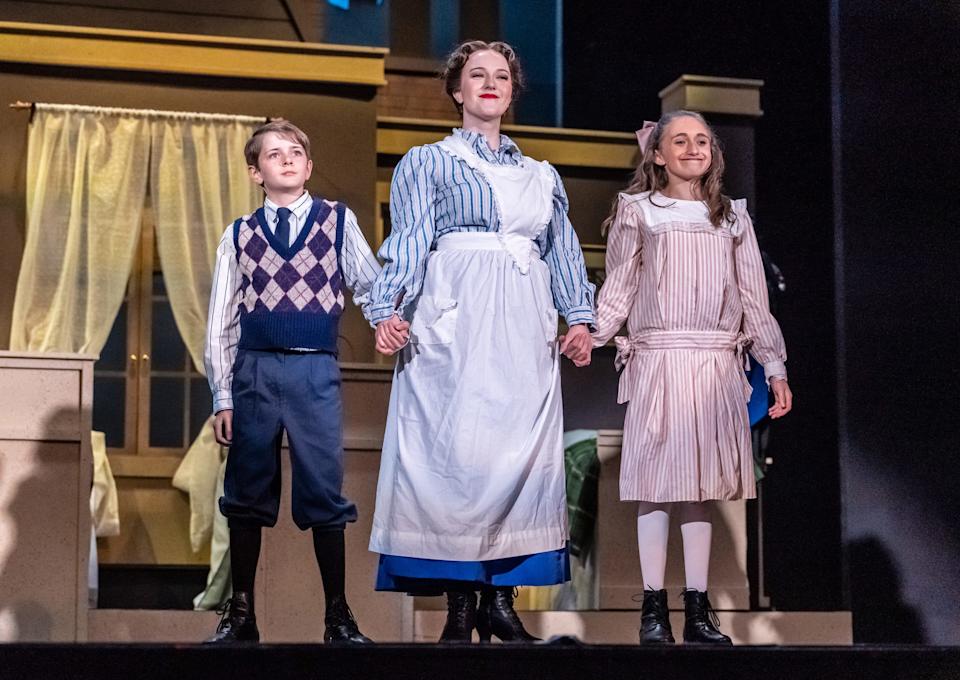
The film’s cinematography captures London through a lens of warmth and timeless charm. From foggy streets to glowing rooftops, each frame feels meticulously crafted to evoke nostalgia. These visuals amplify the sense of enchantment that defines Mary Poppins (2026) from start to finish.
The combination of heartfelt storytelling, musical brilliance, and whimsical adventure creates a cinematic experience rich with emotion. Each scene reconnects viewers with the comfort and dreamlike wonder of classic Disney magic. Mary Poppins (2026) succeeds in reminding both adults and children that imagination has the power to heal.
A Timeless Goodbye Filled With Wonder and Heart
As the story reaches its emotional peak, Mary Poppins (2026) delivers a message that resonates deeply across generations: joy must be nurtured, not forgotten. The Banks family emerges stronger, braver, and more connected thanks to Mary’s guidance. Through them, the film reinforces how powerful love and kindness can be.
Mary’s final moments in the film are gentle and breathtaking, capturing the bittersweet beauty of her character. With her signature grace, she departs as mysteriously as she arrived, leaving behind memories that glow with magic. In Mary Poppins (2026), her exit becomes a symbolic passing of wonder from one generation to the next.
Bert’s quiet farewell adds emotional depth, showing how even the brightest friendships must sometimes make way for new beginnings. His final scenes reflect gratitude, joy, and the promise that magic never truly disappears. These moments reinforce the warmth that Mary Poppins (2026) carries through every frame.
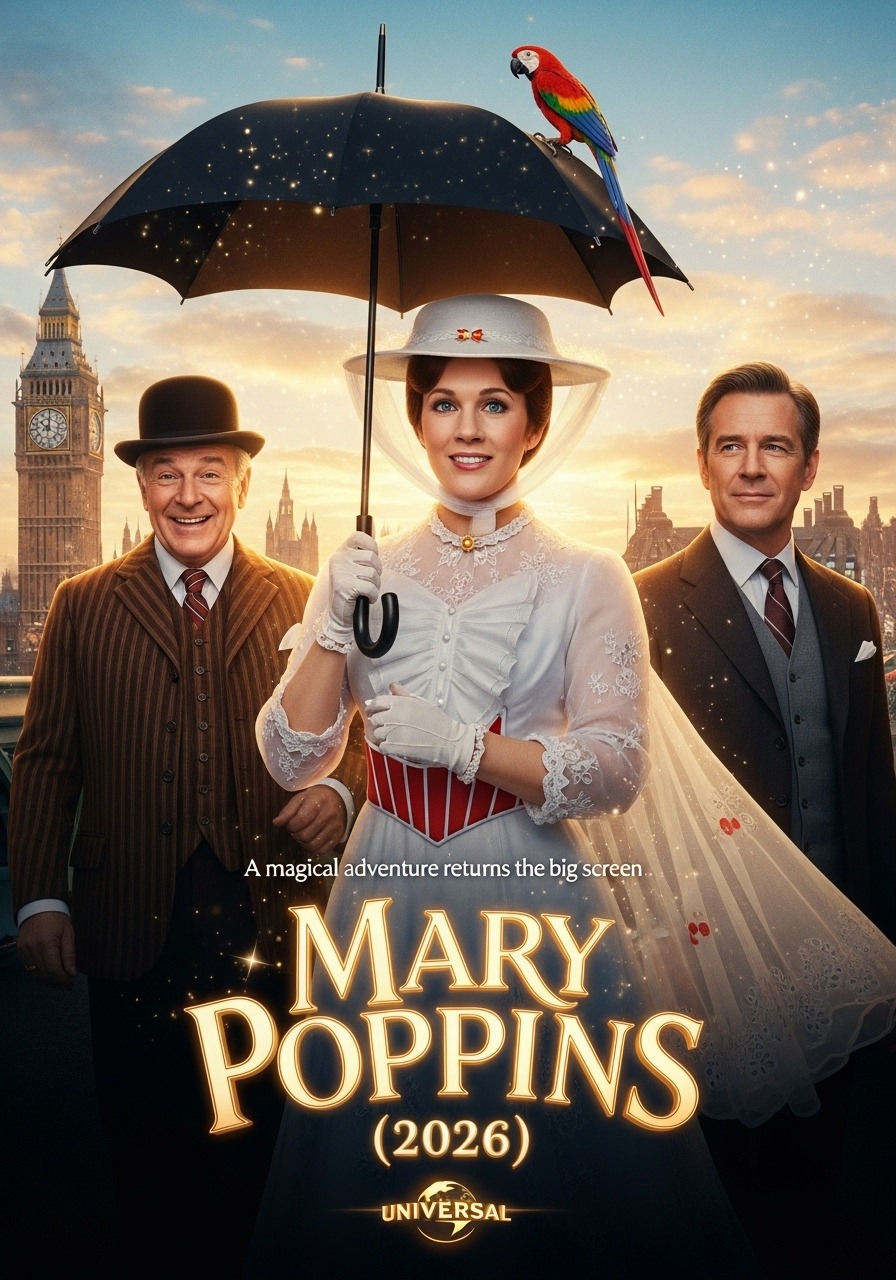
The film’s closing visuals wrap the story in a blanket of nostalgia and hope, blending music, color, and emotion into a perfect finale. As the last notes fade, audiences are reminded to carry imagination with them long after the credits roll. In its final breath, Mary Poppins (2026) becomes not just a movie, but a reminder to believe in wonder.
With its stunning performances, heartfelt storytelling, and enchanting musical spirit, Mary Poppins (2026) stands as a radiant revival worthy of its legacy. It captures the soul of the original while offering something fresh, beautiful, and deeply touching for today’s world. Ultimately, Mary Poppins (2026) proves once again that a spoonful of magic truly makes everything possible.
Trailer Mary Poppins
Also Read: A Legendary Team Skates Back in The Mighty Ducks 2 (2025)