Aladdin: The Return of Agrabah invites audiences back to the golden sands, soaring rooftops, and timeless magic that captured hearts worldwide.
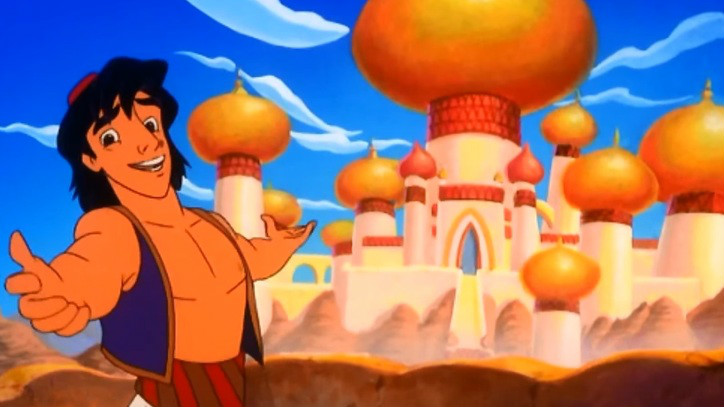
Years after the events of the 2019 live-action hit, Agrabah glows once more with promise — and danger. From its opening moments, Aladdin: The Return of Agrabah (2026) feels like a triumphant homecoming.
Mena Massoud returns as Aladdin, now a confident leader still guided by humility and heart. Naomi Scott’s Jasmine stands stronger than ever, balancing love with the responsibilities of ruling a changing kingdom. Together, they anchor Aladdin: The Return of Agrabah (2026) with emotional depth and chemistry.
Director Guy Ritchie brings back his signature energy, blending sweeping adventure with grounded character moments. The world feels larger, richer, and more alive. Aladdin: The Return of Agrabah (2026) immediately signals that this sequel aims higher than spectacle alone.
The familiar phrase “a whole new world” takes on fresh meaning. Agrabah is no longer just a backdrop — it is a kingdom at a crossroads. This sense of evolution defines Aladdin: The Return of Agrabah (2026).
Magic, Power & New Threats Rise in Aladdin: The Return of Agrabah (2026)
As Aladdin: The Return of Agrabah (2026) unfolds, peace proves fragile. Ancient magic stirs beyond the palace walls, and whispers of forgotten wishes echo across the desert. The return of Marwan Kenzari’s Jafar introduces a darker, more calculated menace.
Jafar is no longer driven by raw ambition alone. He seeks redemption, vengeance, and control in equal measure, making him more dangerous than before. His presence casts a long shadow over Aladdin: The Return of Agrabah (2026).
Will Smith’s Genie returns with charisma, humor, and surprising wisdom. No longer bound to a lamp, Genie grapples with freedom and purpose in a changing world. His journey adds heart and levity to Aladdin: The Return of Agrabah (2026).
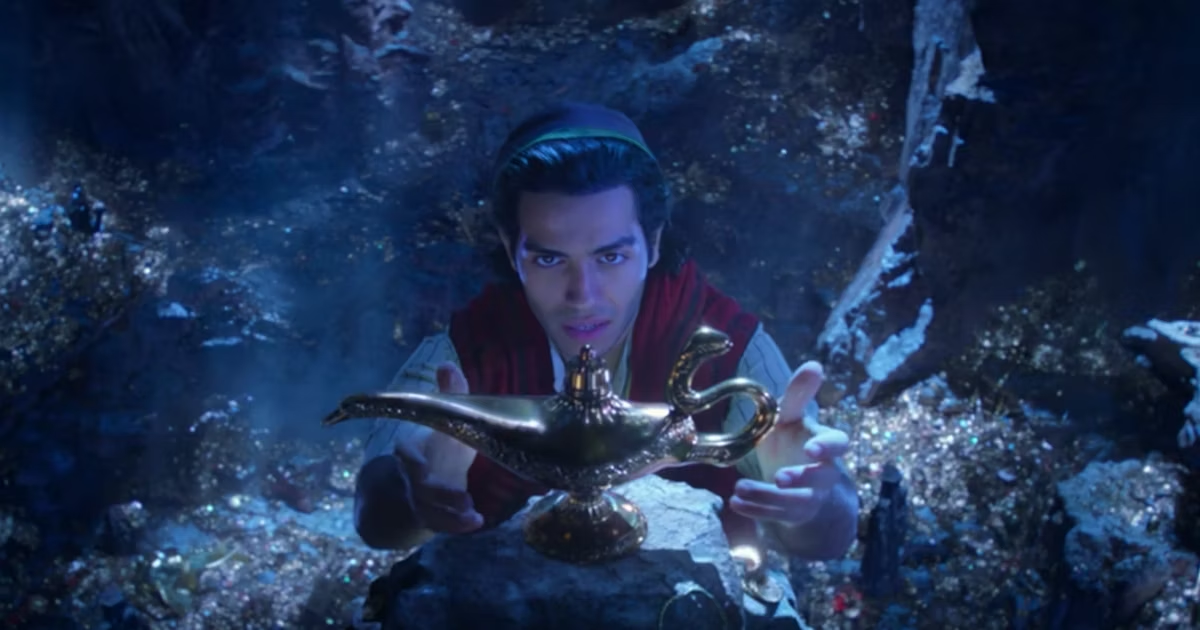
New lands beyond Agrabah are introduced, expanding the mythology of the franchise. From bustling trade cities to mysterious ruins buried beneath sand, the adventure grows grander. Aladdin: The Return of Agrabah (2026) embraces exploration as a central theme.
Musical numbers return with renewed energy. Familiar motifs blend with bold new songs that reflect growth, love, and sacrifice. Music once again becomes the emotional language of Aladdin: The Return of Agrabah (2026).
Visually, the film dazzles with vibrant colors, fluid camera movement, and breathtaking set pieces. Flying carpets soar higher, battles feel more intense, and magic pulses with cinematic force. This spectacle elevates Aladdin: The Return of Agrabah (2026) into true blockbuster territory.
At its core, the sequel examines power and responsibility. Aladdin must reconcile his humble roots with leadership, while Jasmine faces the cost of progress. These conflicts give Aladdin: The Return of Agrabah (2026) narrative weight beyond fantasy.
Love, Destiny & the Future of Agrabah in Aladdin: The Return of Agrabah (2026)
As danger escalates, Aladdin: The Return of Agrabah (2026) turns inward, focusing on choice and destiny. Love is tested not by distance, but by differing visions of the future. Aladdin and Jasmine must decide what kind of rulers — and people — they want to be.
The emotional stakes rise as old wishes resurface with unintended consequences. Magic, once a gift, becomes a temptation. Aladdin: The Return of Agrabah (2026) asks whether some desires are better left unspoken.
The final act delivers sweeping action balanced with heartfelt resolution. Alliances shift, sacrifices are made, and Agrabah’s fate hangs in the balance. Every moment feels earned, reinforcing the emotional arc of Aladdin: The Return of Agrabah (2026).
Genie’s arc finds unexpected closure, blending humor with maturity. His freedom becomes symbolic rather than literal. Through him, Aladdin: The Return of Agrabah (2026) explores what it means to belong.
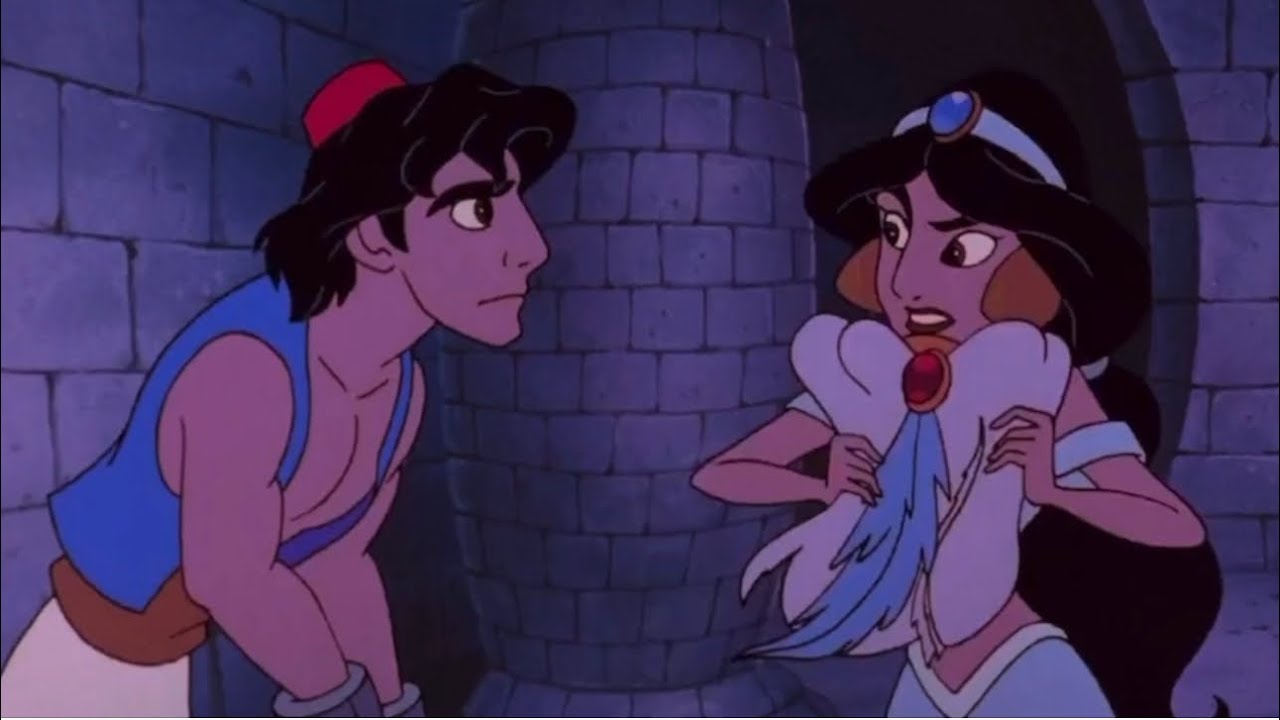
Jafar’s storyline culminates in a confrontation driven by ideology rather than brute force. The clash of visions shapes the kingdom’s future. This philosophical edge adds depth to Aladdin: The Return of Agrabah (2026).
The film closes on hope rather than finality. Agrabah stands renewed, not perfect, but resilient. Aladdin: The Return of Agrabah (2026) leaves the door open for future tales without undermining its conclusion.
For fans of the original animation and the 2019 remake, the sequel feels respectful and expansive. For new audiences, it offers a richly layered fantasy adventure. Aladdin: The Return of Agrabah (2026) bridges generations effortlessly.
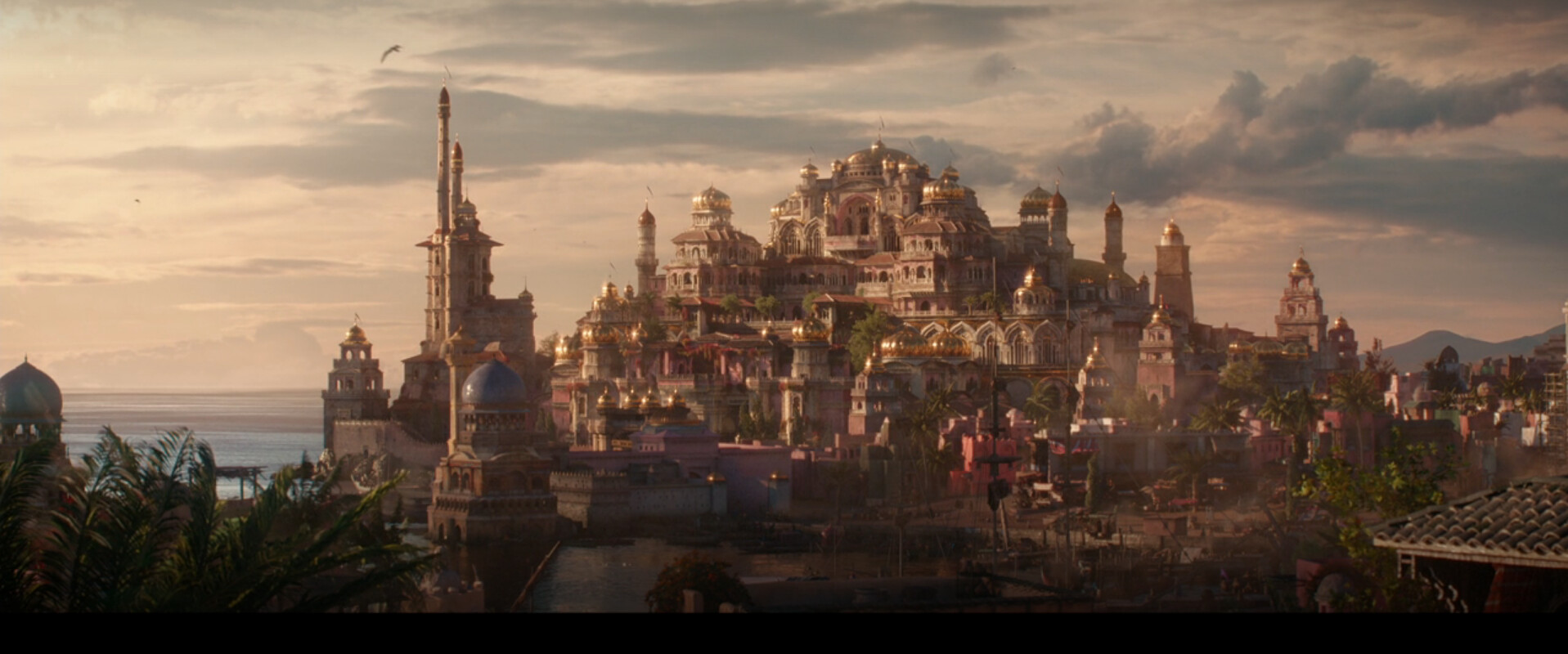
Ultimately, the film reminds us why Aladdin’s story endures. It isn’t about magic carpets or wishes alone — it’s about courage, love, and choosing who you become. That timeless truth defines Aladdin: The Return of Agrabah (2026).
✨ Rating: 4.7/5 — Magical, Epic & Emotionally Rich
Aladdin: The Return of Agrabah (2026) proves that some stories never lose their magic — they simply find new ways to shine. A whole new world awaits… again.