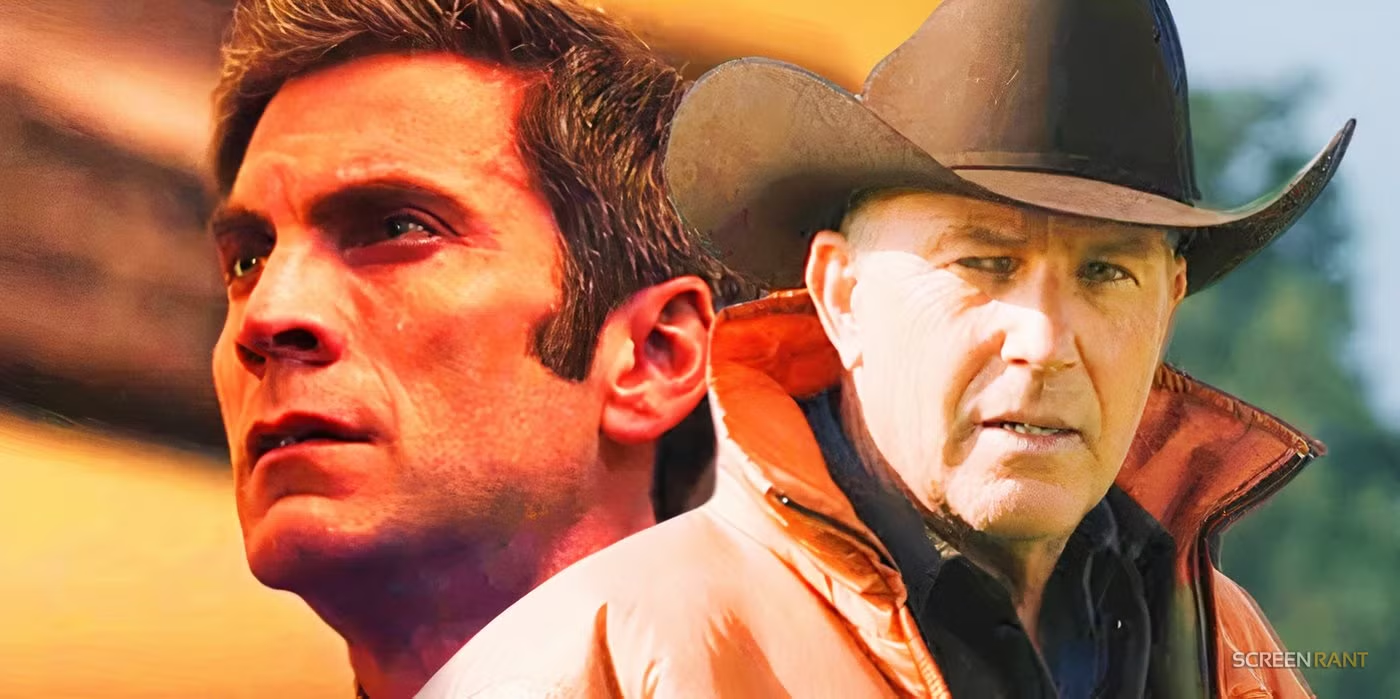
Yellowstone’s finale “Life Is A Promise” hands Jamie the most pathetic, insulting exit imaginable—a rushed, off-screen whimper that spits on Wes Bentley’s masterful five-season descent into delicious villainy, turning a Shakespearean tragedy into a cheap punchline nobody asked for.
The Villain Who Deserved a Better Grave
Yellowstone’s finale “Life Is A Promise” promised closure, but for Jamie Dutton, it delivered a slap in the face wrapped in a rushed bow. Wes Bentley, who turned a sniveling lawyer into television’s most tragically hateable anti-hero over five seasons, got sidelined, undersold, and unceremoniously stabbed in the chest like an afterthought. What should have been a Shakespearean showdown between siblings became a microwave dinner of revenge—hot, fast, and instantly forgettable—leaving fans wondering why Taylor Sheridan treated his most complex character like disposable trash.
The Build-Up That Went Nowhere
Jamie Dutton didn’t just wake up evil. He was molded by rejection, manipulated by ambition, and broken by a family that branded him outsider from birth. Bentley played every layer masterfully—the trembling lip when John dismissed him, the manic gleam when Sarah whispered power in his ear, the quiet devastation when he realized his own child feared him.
Yet in Season 5 Part 2, this walking Greek tragedy appears in barely a handful of scenes. While Beth schemes through boardrooms and funerals, Jamie putters around his house like a background extra waiting for catering. The man who orchestrated governor runs and covered up murders gets less screen time than the ranch horses. It’s not just lazy—it’s criminal neglect of an actor who openly discussed gaining weight, losing sleep, and questioning his sanity to inhabit Jamie’s skin.
Beth and Jamie share exactly two proper confrontations in the entire back half. Two. After years of death threats, train station promises, and that time Beth made him dig his own grave. The first is a phone call. The second is the finale ambush where Beth hides in his kitchen like a bad horror movie jump scare.
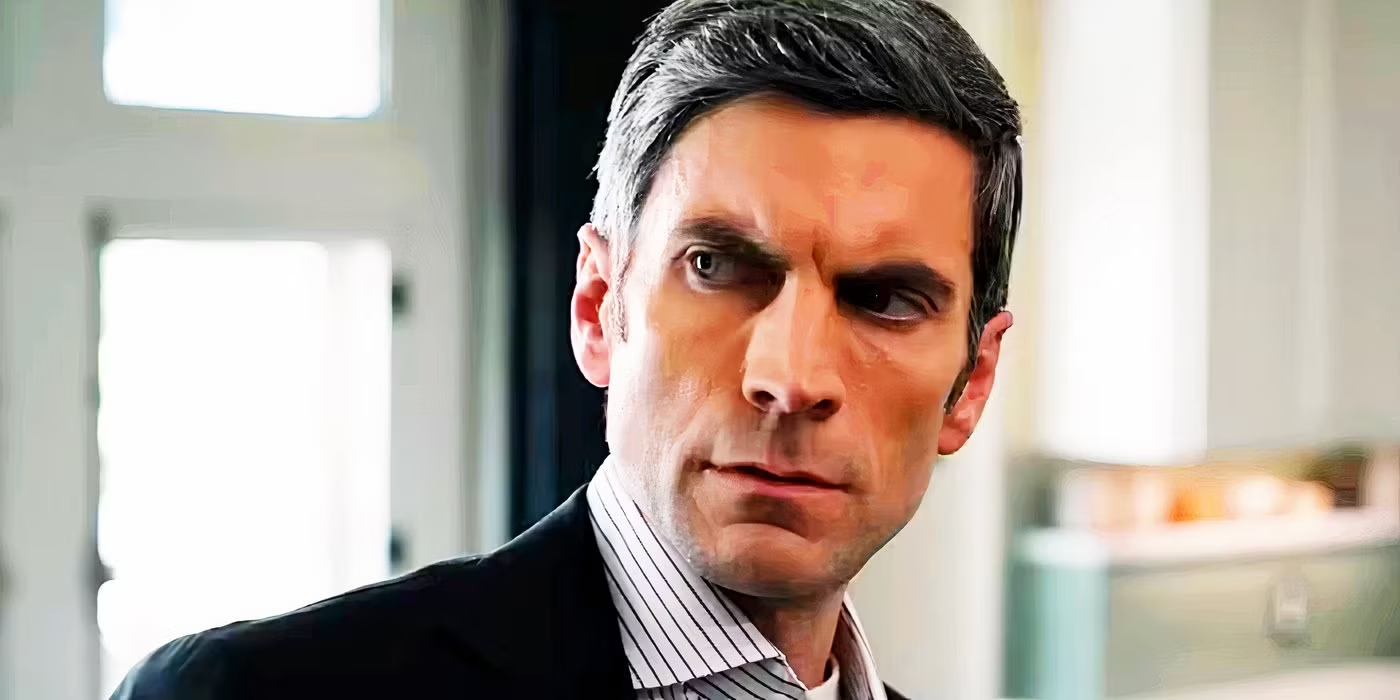
Where’s the chess match? Where’s Jamie lawyering his way out of corners, turning Beth’s rage against her, maybe even exposing her role in their mother’s death? Instead we get Beth swinging a crowbar like she’s auditioning for a slasher flick, Jamie flailing like a drunk at closing time, and Rip strolling in for the kill shot because apparently even murder needs a man’s touch. Bentley’s final moments are spent gasping on linoleum—zero dignity, zero complexity, zero justice for the actor who carried half the show’s emotional weight.
Remember Lee Dutton bleeding out in Season 1 while John cradled his firstborn? Or John himself, poisoned in a toilet like a mob boss? Hell, even Sarah got a dramatic drowning complete with Beth’s cigarette victory lap. Those deaths hurt because we saw the buildup, felt the stakes, watched characters shatter.
Jamie’s end? He drives home, walks into his kitchen, and dies in under five minutes. No final monologue. No desperate plea to his son. Not even a proper fight where he lands one good punch for old times’ sake. Just crowbar, rock, knife, done. The man who survived sterilization, adoption revelations, and being forced to kill his biological father gets taken out like a video game NPC who wandered into the wrong room.
The Grovel That Could Have Saved Everything
Imagine this instead: Jamie’s world collapses. The governor’s office turns on him. Market Equities sues. His law license hangs by a thread. In desperation, he crawls back to the ranch—the place that broke him—begging Beth for mercy. We see Bentley unleashed: tears mixing with snot, voice cracking as he offers to sign over everything, confess every sin, even take the fall for John’s murder he didn’t commit.
Beth toys with him like a cat with a half-dead mouse. Maybe she records his confession. Maybe she makes him dig that grave again, this time for real. The siblings finally hash out their childhood—the abortion cover-up, the sterilization, the lifetime of being John’s spare parts. Bentley gets to show Jamie’s final unraveling: pride crumbling, humanity flickering, villain mask slipping to reveal the terrified boy underneath.
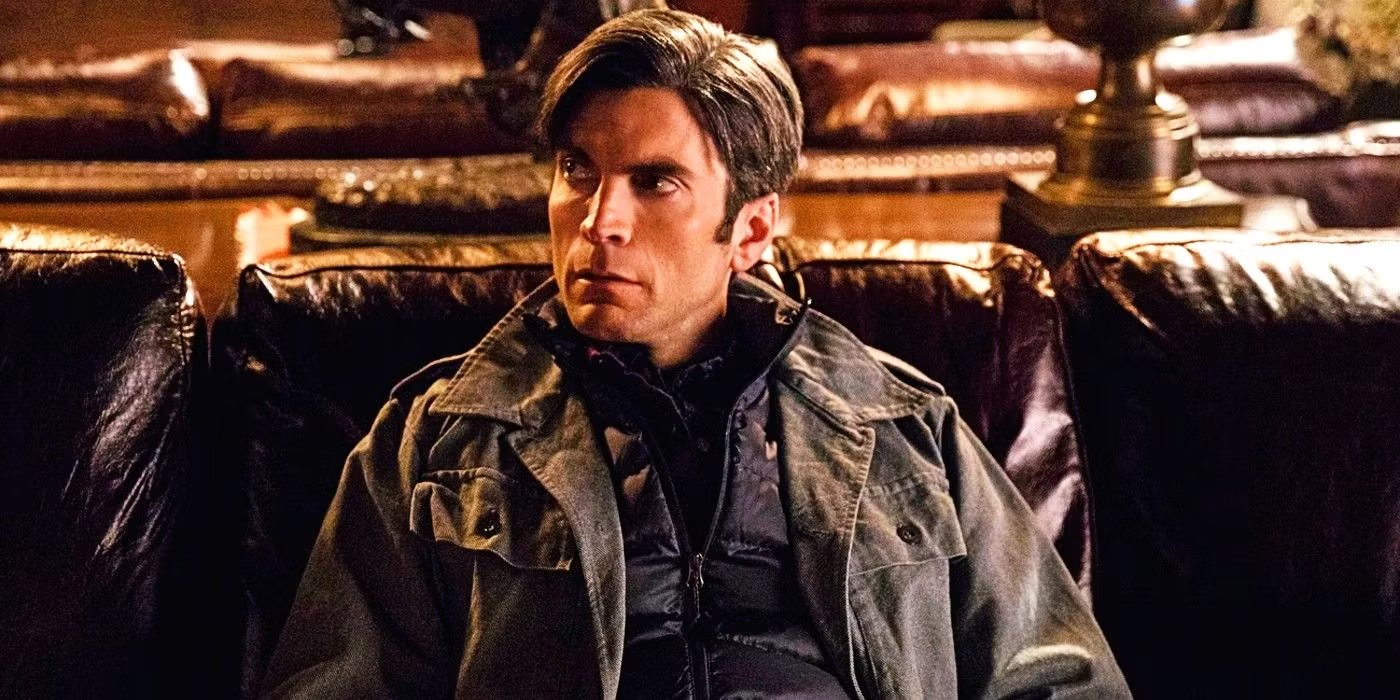
This is the man who gave us bodies dissolved in acid, fed to pigs, dropped down canyons. Who wrote Beth burning her brother’s face with cigarettes and Rip beating men to death with his bare hands. And for Jamie—the architect of half those horrors—he chooses… a kitchen stabbing?
Picture Beth luring him to the Train Station under false pretenses of truce. Jamie arrives hopeful, pathetically clutching legal documents that could save the ranch. Beth reveals the trap. They fight across that sacred ground where so many Dutton enemies met their end. Jamie almost escapes—almost redeems himself by choosing not to fight dirty. Then Rip appears, and together they push him over the edge, his screams echoing exactly like every ghost he helped create.
Wes Bentley didn’t phone in a single scene. He gained thirty pounds to look “soft.” He studied sociopaths and abused children. He made Jamie simultaneously repulsive and heartbreaking—the kind of performance that launches careers, not ends them in a puddle of fake blood on cheap flooring.
Bentley spoke openly about how playing Jamie messed with his head, how he had to decompress for hours after filming scenes of such raw vulnerability. And Sheridan repays that dedication with what—eight minutes of screen time across six episodes? The actor who made us hate Jamie while secretly rooting for his redemption deserved a send-off that honored his craft, not one that felt like Sheridan checking a box marked “kill the brother” before happy hour.
This wasn’t just bad writing; it was disrespectful. To Bentley, who poured his soul into a role most actors would caricature. To fans who invested in Jamie’s complexity, who wrote essays about his redemption arc, who saw themselves in his desperate need for approval. To the very themes Yellowstone spent years exploring—family as both salvation and destruction, the cost of loyalty, the thin line between victim and villain.
Jamie’s death didn’t resolve those themes. It erased them. One stab and poof—the most complicated Dutton vanishes like he never mattered. Beth wins, sure. But victory feels hollow when your enemy was barely in the room.
The Finale That Forgot Its Own History
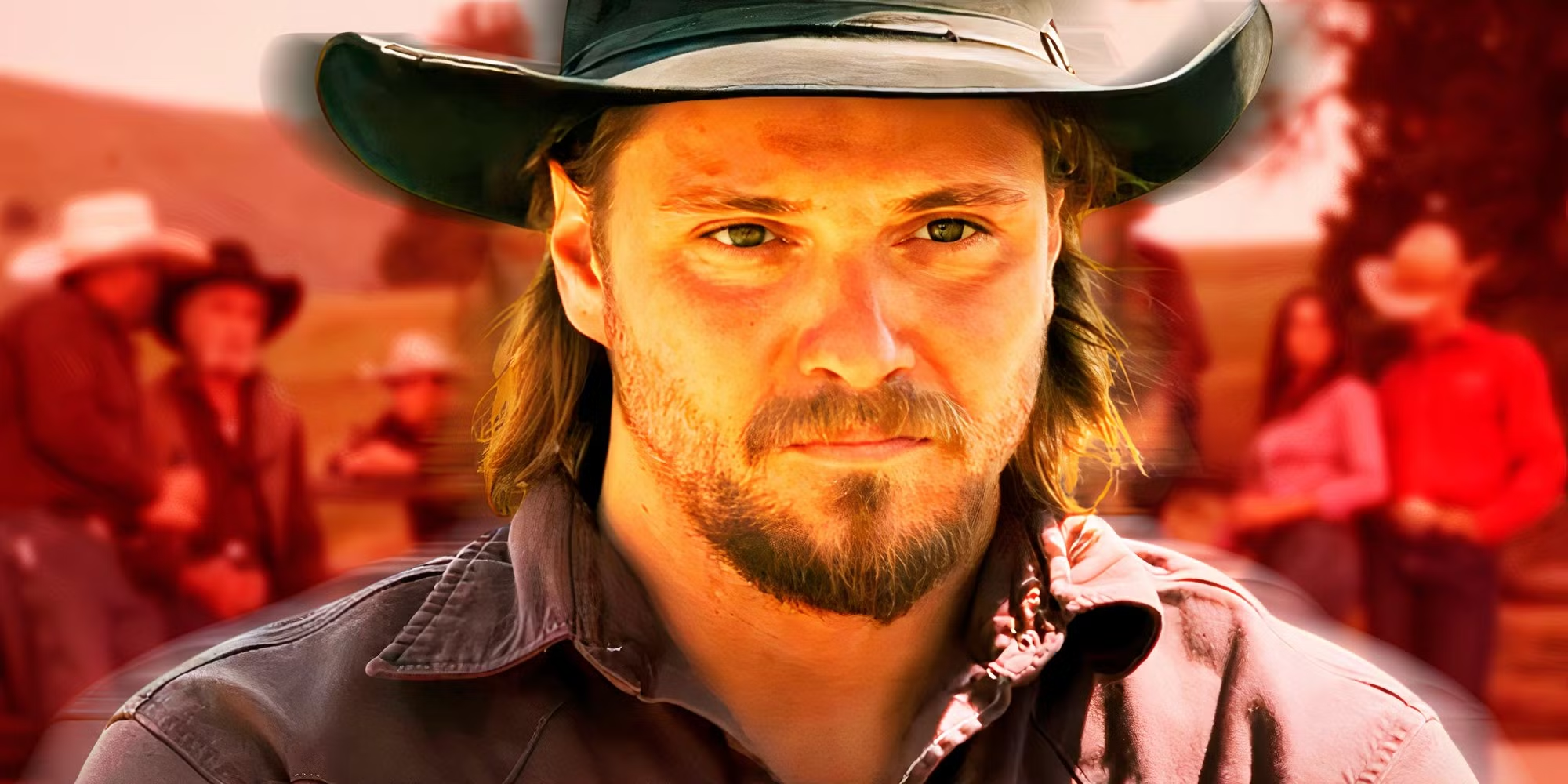
Yellowstone always prided itself on earned endings. Characters paid for their sins in blood, time, or both. Jamie paid in every way except the one that mattered: screen time to make his final payment mean something. Instead of a tragic figure meeting his fate, we got a plot device dispatched because the clock was ticking.
Beth and Rip ride off to their spinoff sunset. Kayce gets his peaceful valley. Carter gets parents. And Jamie? Jamie gets a body bag and a footnote. The war everyone waited for ended not with a bang, not even with a whimper, but with the sound of Taylor Sheridan hitting “save” and reaching for the next project. Wes Bentley—and every fan who saw Jamie’s humanity—deserved so much more than this insulting, anticlimactic erasure. The Dutton most like us all died the least like a Dutton should.
Trailer Yellowstone